Implement the annual safety production education requirements, standardize the electricity usage behavior of all employees, identify common safety hazards of electrical appliances, circuits, and power distribution facilities, master methods for preventing electrical fires and handling electric shock emergencies, eliminate unauthorized wiring and illegal electricity usage, prevent electric shock and electrical fire accidents, and achieve safe and standardized electricity usage.
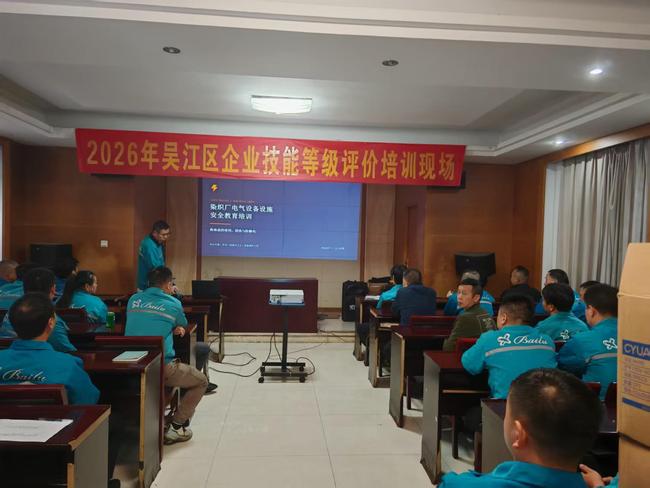
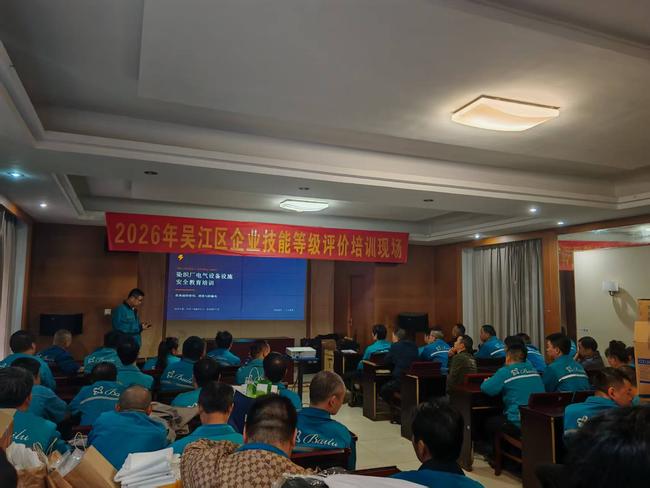
In accordance with the "Production Safety Law", "Fire Protection Law", "Code for Design of Low Voltage Electrical Installations" (GB50054), "Guidelines for Electricity Use Safety" (GB/T13869), and the internal electricity safety management system of the unit, the core requirements are as follows: electrical maintenance is a special operation that must be carried out by certified electricians. Other personnel are strictly prohibited from connecting or modifying wires, dismantling or assembling distribution boxes, or repairing electrical equipment.
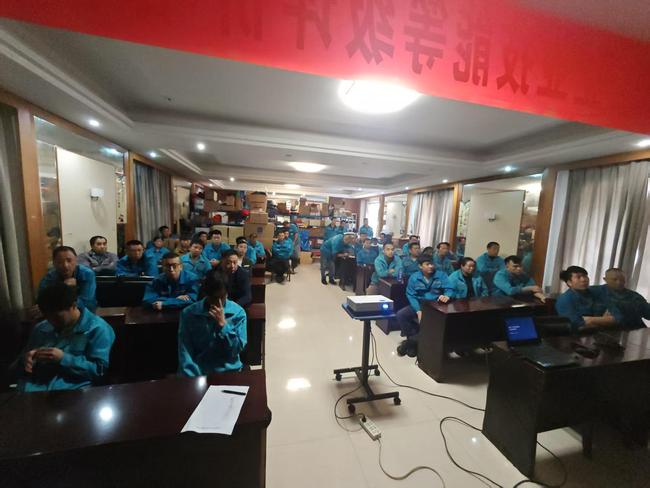
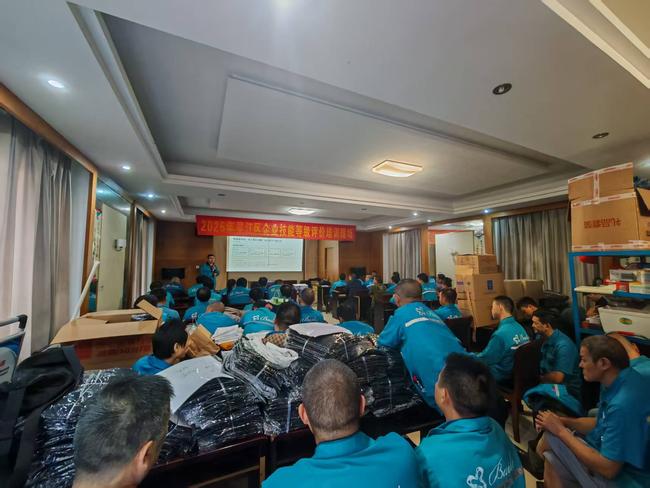
The mains frequency 220V/380V AC is highly hazardous and can easily cause electric shock injuries; a current of 50mA can trigger ventricular fibrillation, resulting in death. Injury classification: electric shock (current flowing through the human body, causing internal injuries leading to death), electrical injury (arc burns, metal burns). Safety voltage: 36V in ordinary environments; 12V in humid environments and inside metal containers. Types of electric shock: single-phase electric shock, two-phase electric shock, step voltage electric shock. When high-voltage cables fall to the ground, take small steps or hop on one foot to stay away from the dangerous area. Protective devices: leakage protector, air switch, grounding protective wire (PE wire). The grounding wire is only for protection and must not be used as a neutral wire, nor should it be removed without authorization.
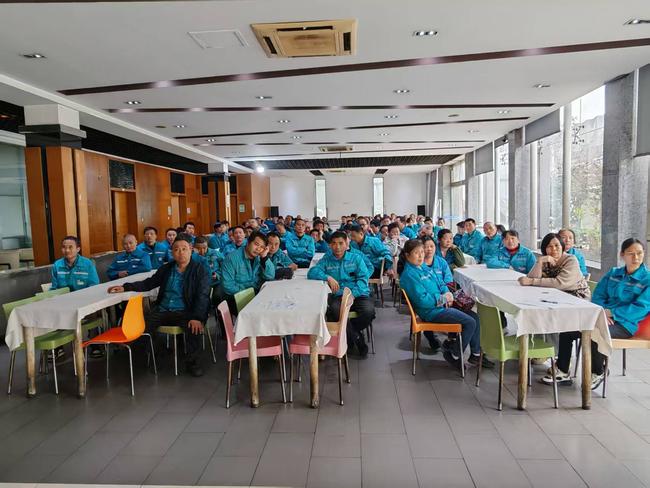
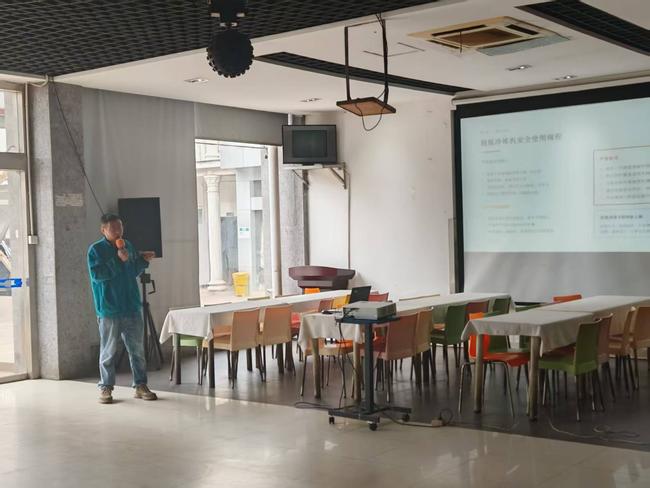
Circuit hazards: wire insulation damage, aging, and cracking; cables being crushed or baked; unauthorized wiring, strip connections, and cables tangling with metal components. Socket and plug hazards: loose sockets, overheating, and sparking; overloading a single socket with multiple high-power appliances. Distribution box hazards: clutter inside the box, missing box doors, lack of warning signs, blockage or sealing, and missing protective devices being short-circuited or shielded. Equipment hazards: damaged electrical appliance casings, missing or fallen grounding wires; equipment operating with abnormal noise, burning smell, abnormal heating, and operating with defects. Environmental hazards: using ordinary non-waterproof electrical appliances in wet areas; lighting fixtures, switches, and wiring near flammable materials
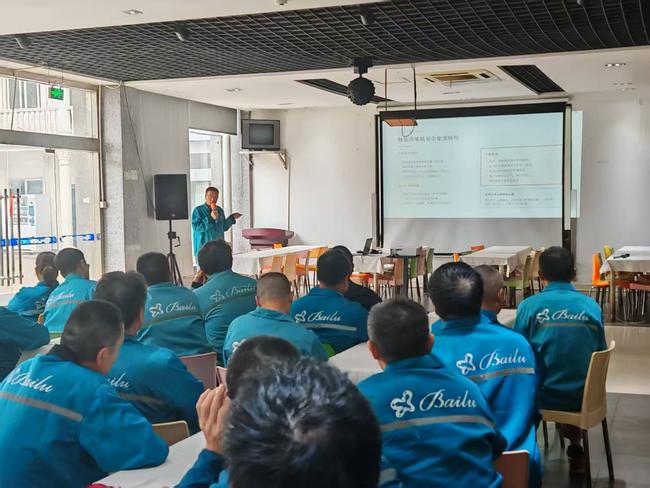
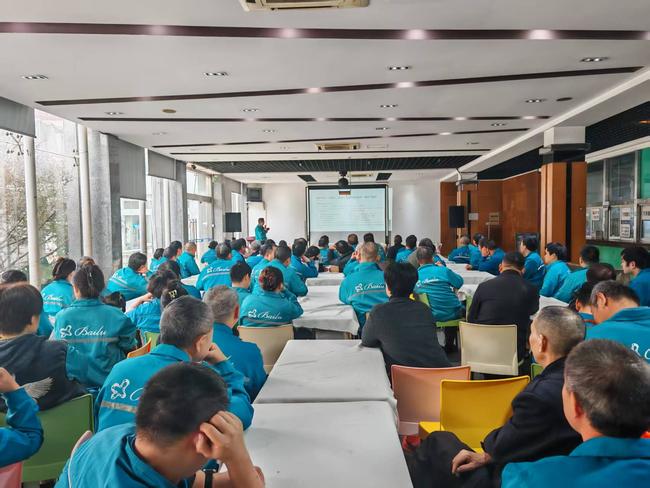
Quickly disconnect from the power source: Prioritize switching off the power; if power cannot be cut off, use insulating objects such as dry wooden sticks or plastic rods to pry the wires apart. It is strictly prohibited to pull the shocked person with bare hands. Move the injured person to a safe and flat ground, and check for consciousness and breathing. If unconscious and not breathing, immediately perform cardiopulmonary resuscitation (CPR) and continue to rescue. Wait for medical personnel to arrive and do not stop without authorization. Simplely cover and protect the electric burn wound, do not prick the blisters, and seek medical attention in a timely manner.
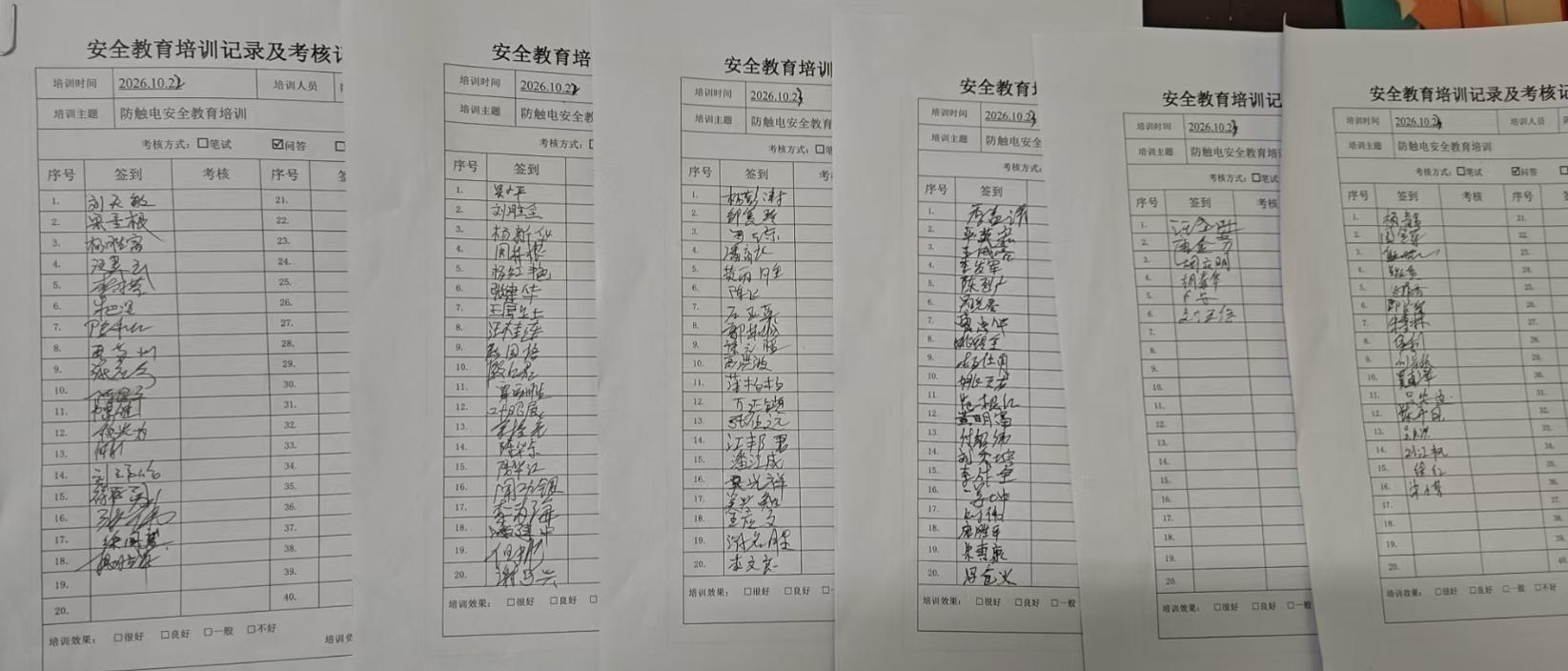 All personnel must adhere to the following: refrain from using electricity in violation of regulations, avoid operating equipment against rules, proactively identify potential hazards, promptly report any abnormalities, become proficient in first aid for electric shock and initial handling methods for electrical fires, and prevent electrical safety accidents.


